
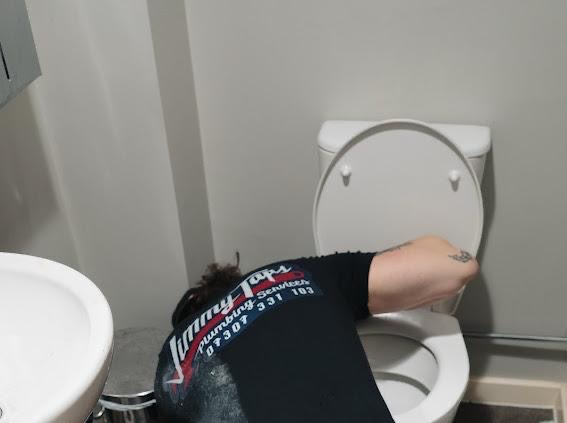
That constant sound of water trickling in the toilet cistern is more than annoying: it's wasteful and expensive. A running toilet wastes between 200 and 400 litres of water every day depending on the severity, adding significantly to your water bills if you're on a meter. The good news is that many running toilet problems are diagnosable and even fixable without a plumber.
Why Is My Toilet Running?
Faulty Flapper Valve (Most Common)
The flapper is a rubber seal at the bottom of the cistern that lifts when you flush and then reseats to hold water in the cistern. When the rubber perishes or warps, it no longer seals properly and water continuously leaks from the cistern into the pan, causing the toilet to run. If you can hear water trickling and see water moving in the pan without flushing, a faulty flapper is the most likely cause. Flappers are inexpensive and replaceable as a DIY job if you're comfortable working inside the cistern.
Faulty Fill Valve (Float Valve)
The fill valve controls when water enters the cistern and when it stops. If the float is set too high, water reaches the overflow pipe level and continuously drains away. You may notice water coming from the overflow pipe on the outside of the house (a small plastic or copper pipe, usually emerging from the wall above a window or door). The float height can sometimes be adjusted by bending the float arm down slightly. If the valve itself is worn, it may need replacing.
Overflow Tube Set Too Low
In older cisterns, the overflow tube position can be adjusted. If it's set too low, the normal water level in the cistern reaches the overflow before the fill valve shuts off. Raising the overflow tube slightly may resolve this without replacing any components.
Worn Siphon (Older UK Cisterns)
Older UK toilets use a siphon mechanism rather than the flapper system common in newer designs. The diaphragm inside the siphon can perish, causing the toilet to fail to flush properly or to run. Siphon replacement is a more involved DIY job but is achievable with the right parts and patience.
What to Check First
- Lift the cistern lid and observe the water level: is it above the overflow tube?
- Press down on the flapper with your finger: does the running stop? If yes, the flapper needs replacing.
- Check the float: is it fully floating? A waterlogged or cracked float won't rise properly, leaving the fill valve open.
When to Call a Plumber
Call a plumber if: the cistern is corroded or cracked; the shut-off valve behind the toilet is stiff or seized (don't force it); you've replaced the flapper and the problem persists; or you're not confident working inside the cistern: a slip can turn a running toilet into a flooding toilet very quickly.
How Much Does Toilet Repair Cost in Liverpool?
A standard cistern repair by Jimmy Taps (replacing a flapper, fill valve or siphon) typically costs £80–£130 including parts and labour. A full toilet replacement is £150–£350 depending on the unit specified. Free quotes are always available before work starts.
For toilet repairs across Liverpool, Merseyside and the Wirral, call Jimmy Taps on 07307 331103.